


30 Years of Treyarch
Three decades ago, our studio took its first steps as Treyarch Invention, LLC: a small team with big ambitions, working on a wide range of projects and learning the craft of making games at every turn. Today, we’re a unified team of developers, including engineers, artists, designers, animators, producers, and storytellers, all responsible for creating some of the most memorable experiences in entertainment. From our earliest moments to today, one constant has always remained: our passion for taking bold swings.
Join us as we dive into the studio’s origins, our biggest swings to date, and the genesis of the series that has defined so much of our legacy.
The Early Days (1998-2002)
Long before the days of Call of Duty, Treyarch’s early catalog covered a wide range: Olympic Hockey ’98, Die by the Sword, Triple Play Baseball, Draconus: Cult of the Wyrm, Max Steel: Covert Missions, Kelly Slater’s Pro Surfer, NHL 2K, and many more. From dark fantasy and hero action to team sports and more, the studio released over a dozen games in the span of four years.
As production began to ramp up on multiple games, the teams continued to grow, and a couple of rooms in a small office eventually became a maze of bullpens years later. But before all that, Treyarch’s first big swing would present itself in 2002, kicking off a new era for the studio and cementing its place in video game history.
Spider-Man & 007: Quantum of Solace (2002-2008)
Developed by a tiny but determined team, Treyarch’s Spider-Man brought the world of Sam Raimi’s film to consoles for the first time. With a celebrity voice cast and a sprawling New York City as the playground, the adventure expanded beyond the movie with additional villains and locations.
But it was 2004’s Spider-Man 2 that changed everything, allowing players to explore the open world of NYC with physics-based web-swinging for the first time, making Spidey’s movement the star of the show. To this day, plenty of us at Treyarch have fond memories of swinging across Manhattan for hours on end with our jaws on the floor.
2005’s Ultimate Spider-Man moved into the Ultimate Marvel comics universe, where the team’s creativity was allowed to run wild. Fun fact: Treyarch created Beetle as an original character for the game, who went on to appear in Ultimate Spider-Man #124 and the Ultimate Spider-Man animated series!
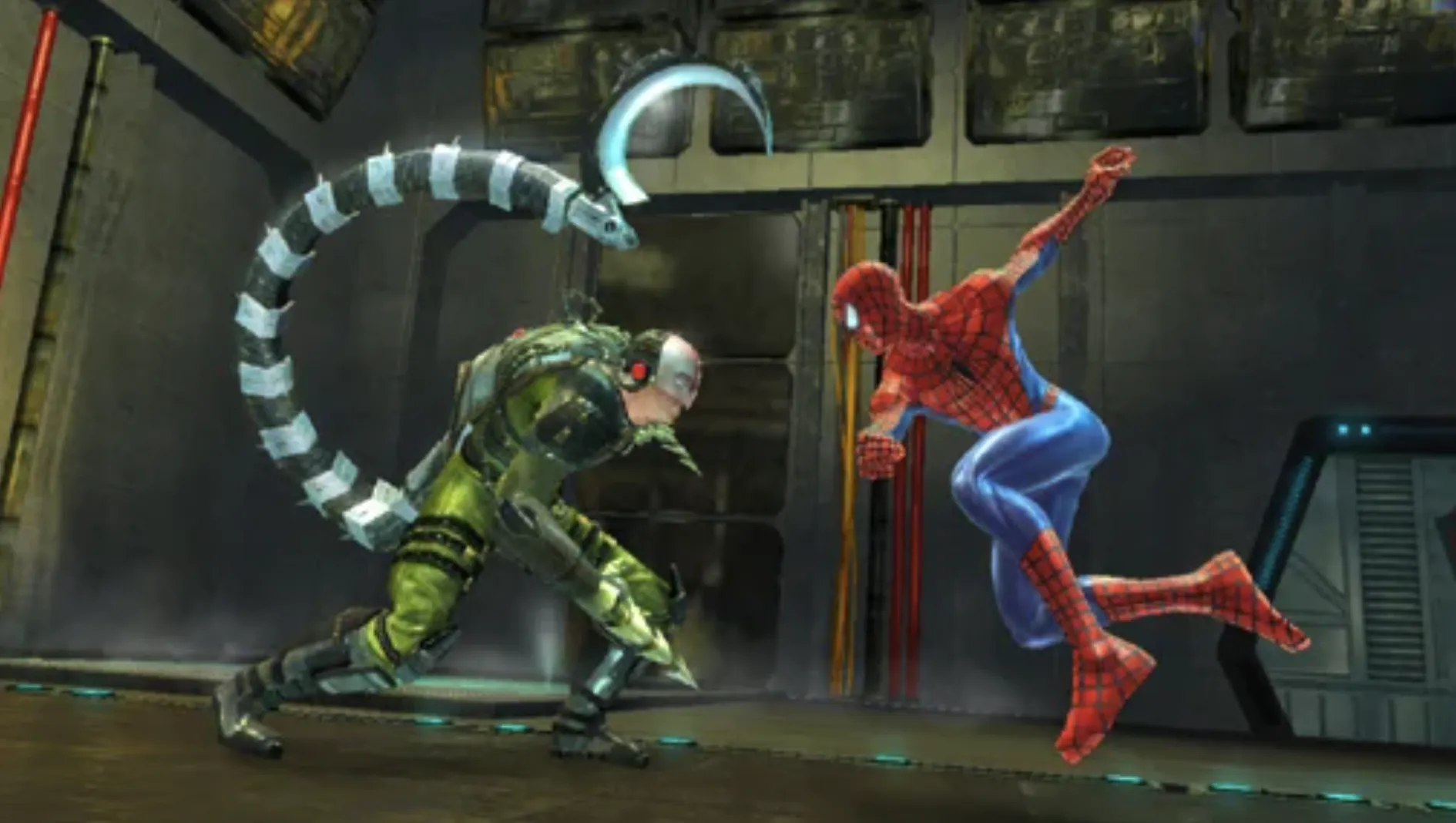
Treyarch’s open-world approach continued in 2007 with Spider-Man 3, and our journey with the web-slinger concluded with 2008’s Spider-Man: Web of Shadows, co-developed with Shaba Games. But that wasn’t the only blockbuster we had cooking that year.
In 2008, 007: Quantum of Solace brought another screen icon into our history. Developed simultaneously while the film was still in production, the team meticulously recreated details from the film sets to bring the moviegoing experience to the small screen. The game’s snap-to-cover and blind fire mechanics were designed to make the player feel like an unstoppable James Bond on his deadliest mission yet.
Meanwhile, in another part of the building...
Call of Duty 2: Big Red One (2005)
During the production of Spider-Man 2 and Ultimate Spider-Man, Treyarch was presented with another big opportunity: the chance to develop its first proper entry in the Call of Duty franchise. Released in 2005, Call of Duty 2: Big Red One followed the U.S. Army’s 1st Infantry Division through North Africa, Sicily, and Western Europe.
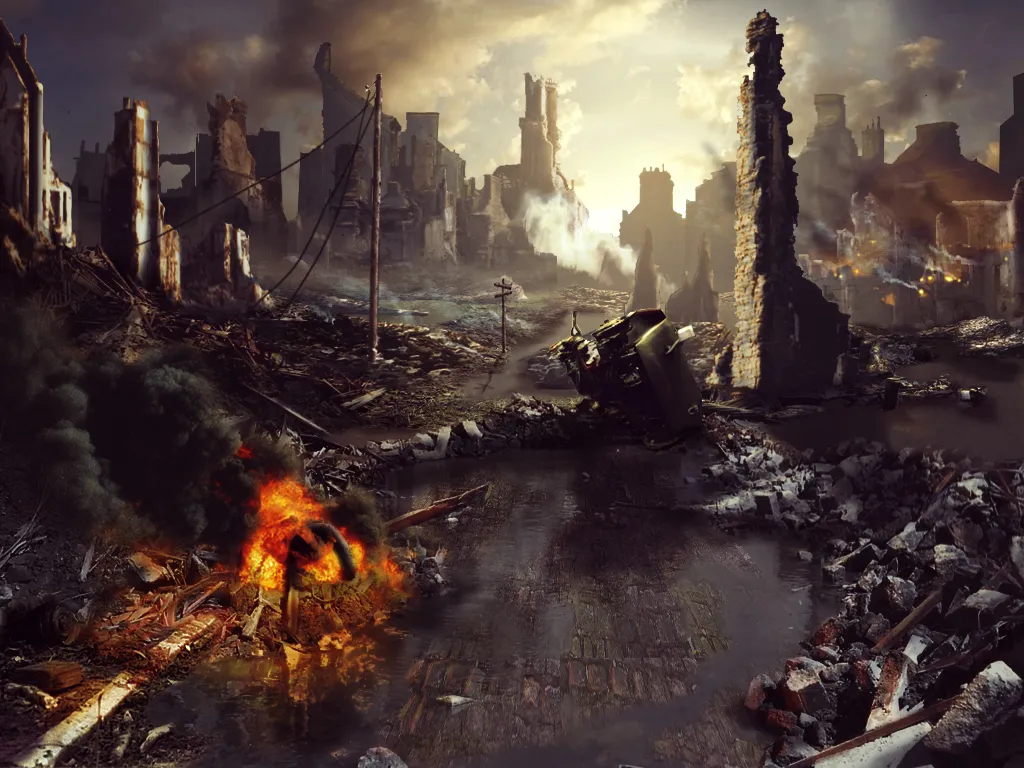
This was Treyarch’s first foray into first-person shooters, made specifically for consoles. As the team’s overall size continued to grow and seemingly impossible technical limitations were overcome, Treyarch successfully shipped Big Red One and immediately took the charge to lead development on the third mainline Call of Duty game.
Call of Duty 3 (2006)
Call of Duty 3 was considered a true next-gen title in 2006, releasing across two different console generations. This was where much of the team today believes Multiplayer started to hit its stride, delivering features at the same level of quality on consoles that players had come to expect on PC.
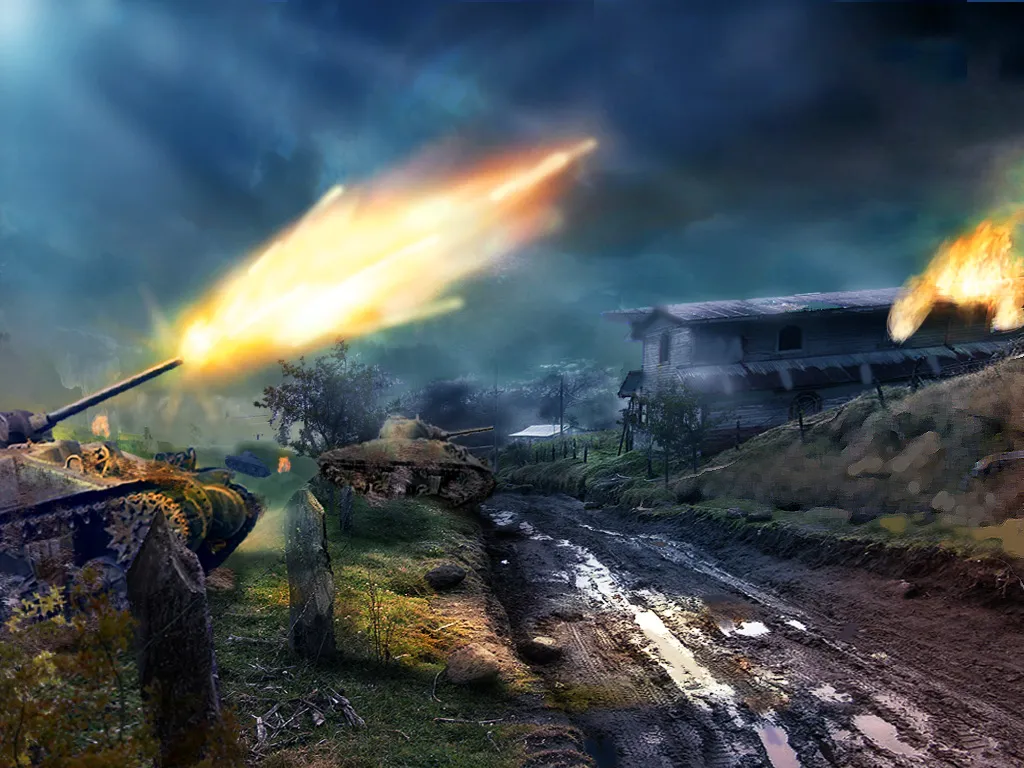
With condensed timelines to get everything up and running on consoles, the team rallied to deliver what would become an award-winning experience. Call of Duty 3 brought innovative vehicle gameplay and a wide variety of modes to Multiplayer, and provided a single-player Campaign that spanned the vast Western Front. But we weren’t done with the war just yet.
Call of Duty: World at War (2008)
Fast-forward to 2008. While separate teams focused on shipping Spider-Man and 007: Quantum of Solace that same year, the rest of the studio had been heads-down on building the World War II game that would mark a major turning point in Treyarch’s history.
World at War was our chance to show the world what Treyarch could do. Delivering a dark, gritty co-op Campaign focused on the Pacific theater of WWII, this was the first Call of Duty intended to express the true horrors of war. Players would fight alongside the Marine Raiders and meet iconic characters Viktor Reznov and Sergeant Roebuck, while the Multiplayer introduced several fan-favorite maps to the franchise, including Dome, Castle, Makin, Upheaval, and Asylum.
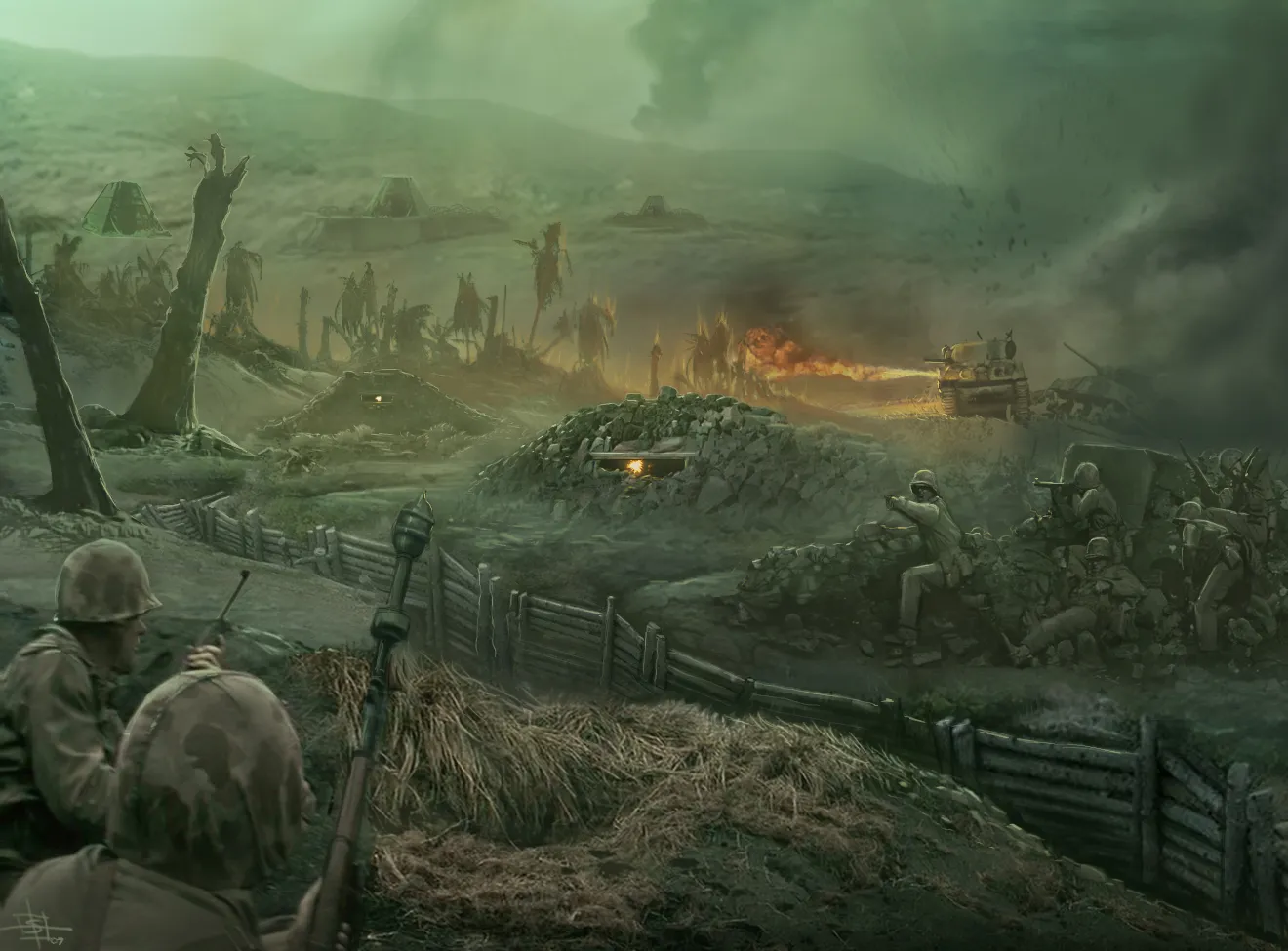
World at War was also the introduction point for Zombies, developed in secret by a small team while the studio was close to finishing the game. As more and more people played the prototype on their lunch breaks, enthusiasm spread like wildfire through the studio, with screams of joy often coming from down the hall when someone reached a new high round. Against all odds, Zombies made it into the final game on disc as the ultimate hidden Easter Egg, available only after completing the Campaign.
It was a moment of growth and confidence for the entire team. Although the studio had launched 20 games by the time World at War was released, it wasn’t until two years later that Treyarch would become a household name.
Call of Duty: Black Ops (2010)
After shipping three games in 2008, everyone across the studio was finally able to collaborate on a single game. After the success of World at War, we knew we had to subvert expectations with our next big swing, so we set our sights on something brand new.
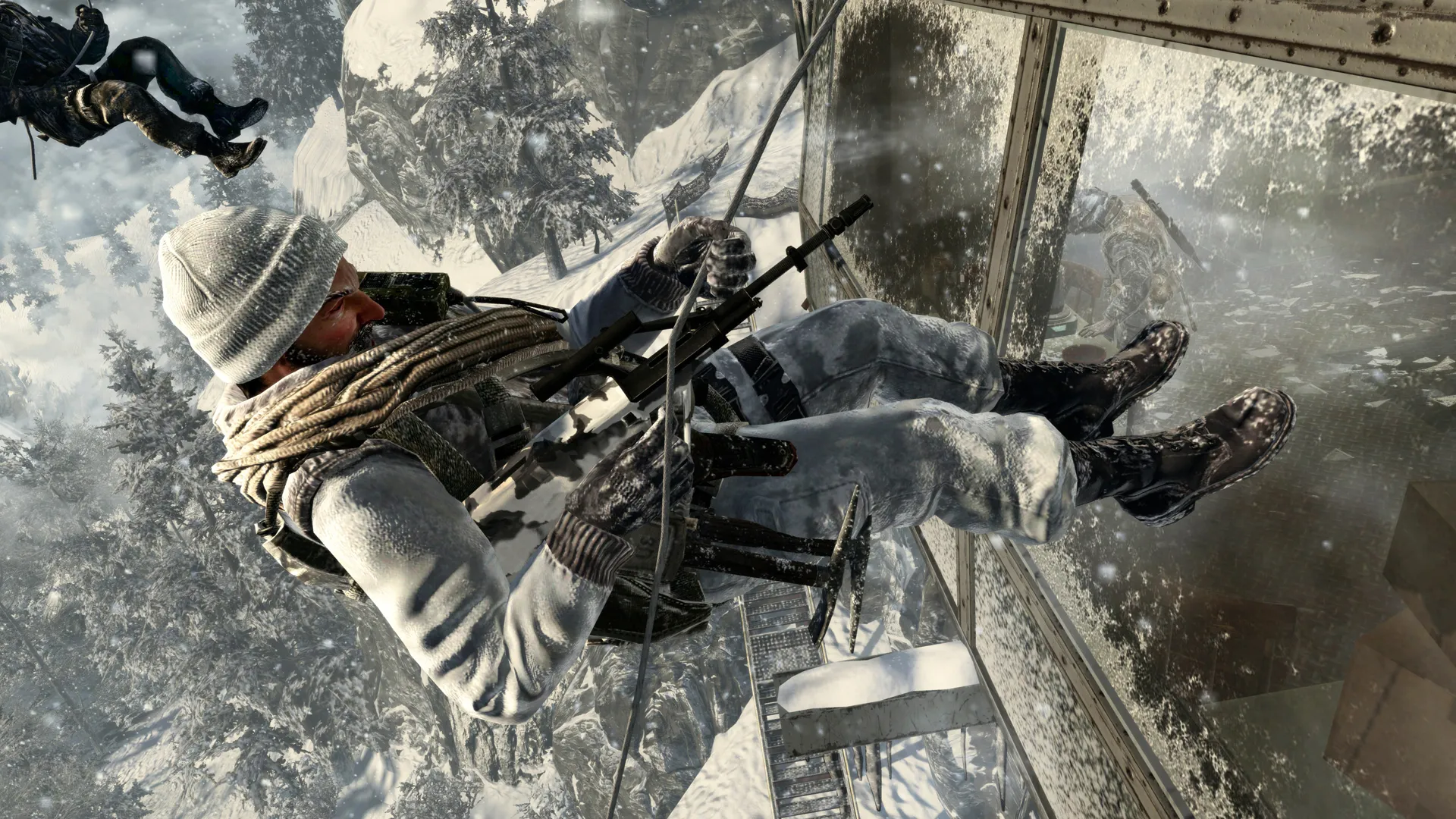
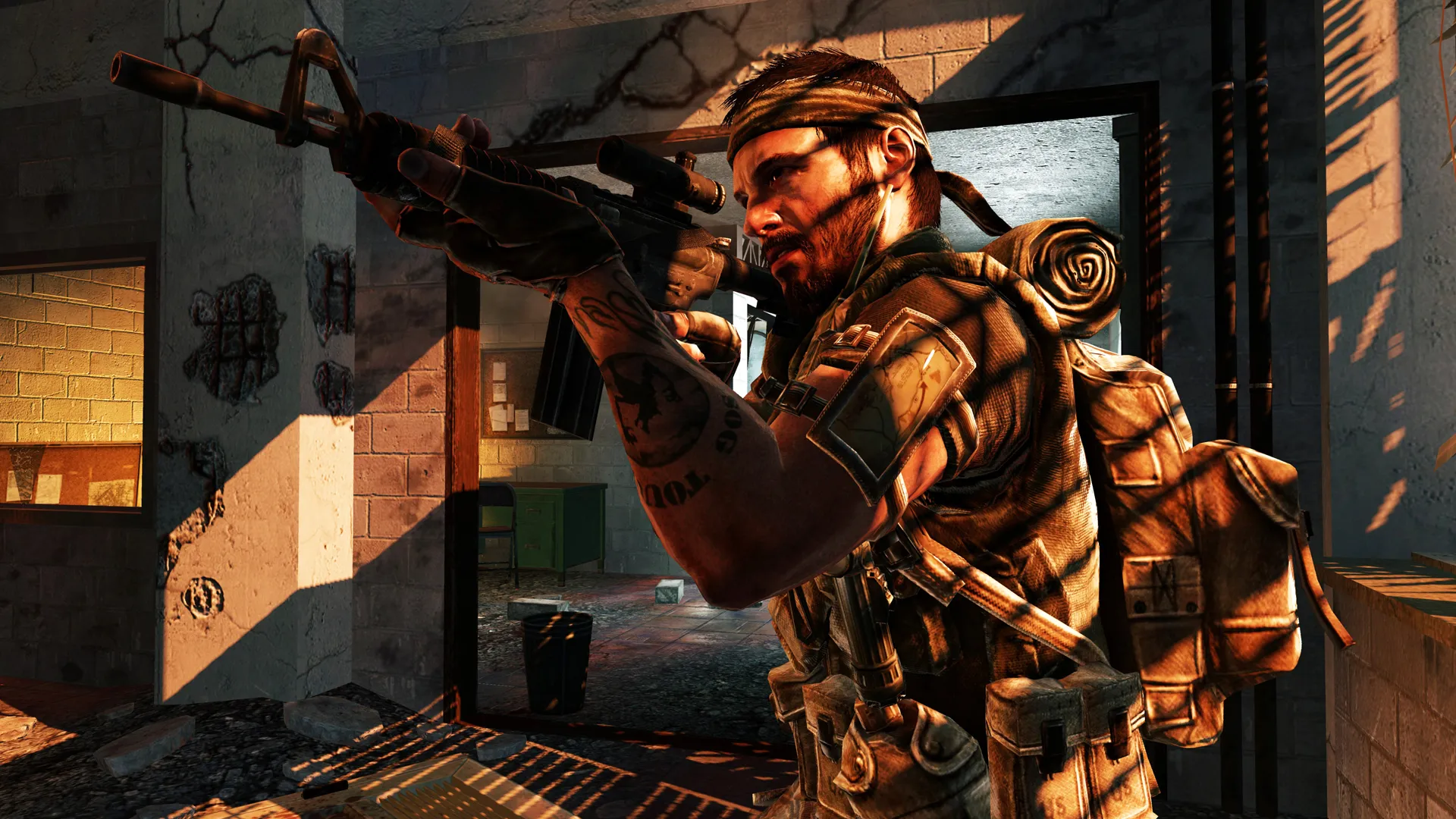
The story of Black Ops would go deep into the history you thought you knew. It would introduce iconic characters in Alex Mason, Frank Woods, Jason Hudson, and Grigori Weaver. It was all about plausible deniability, espionage, psychological manipulation, and what could have happened behind real moments in history that shaped our world.
If you played Black Ops back in 2010 or even as recently as this year, you can probably close your eyes and remember what it’s like booting up the game for the first time. The iconic “Sitting Bull” soldier, Sean Murray’s epic score drifting from your speakers, an interrogation chair in front of a stack of TV screens... and then, a distorted voice booming out: “The numbers, Mason...”
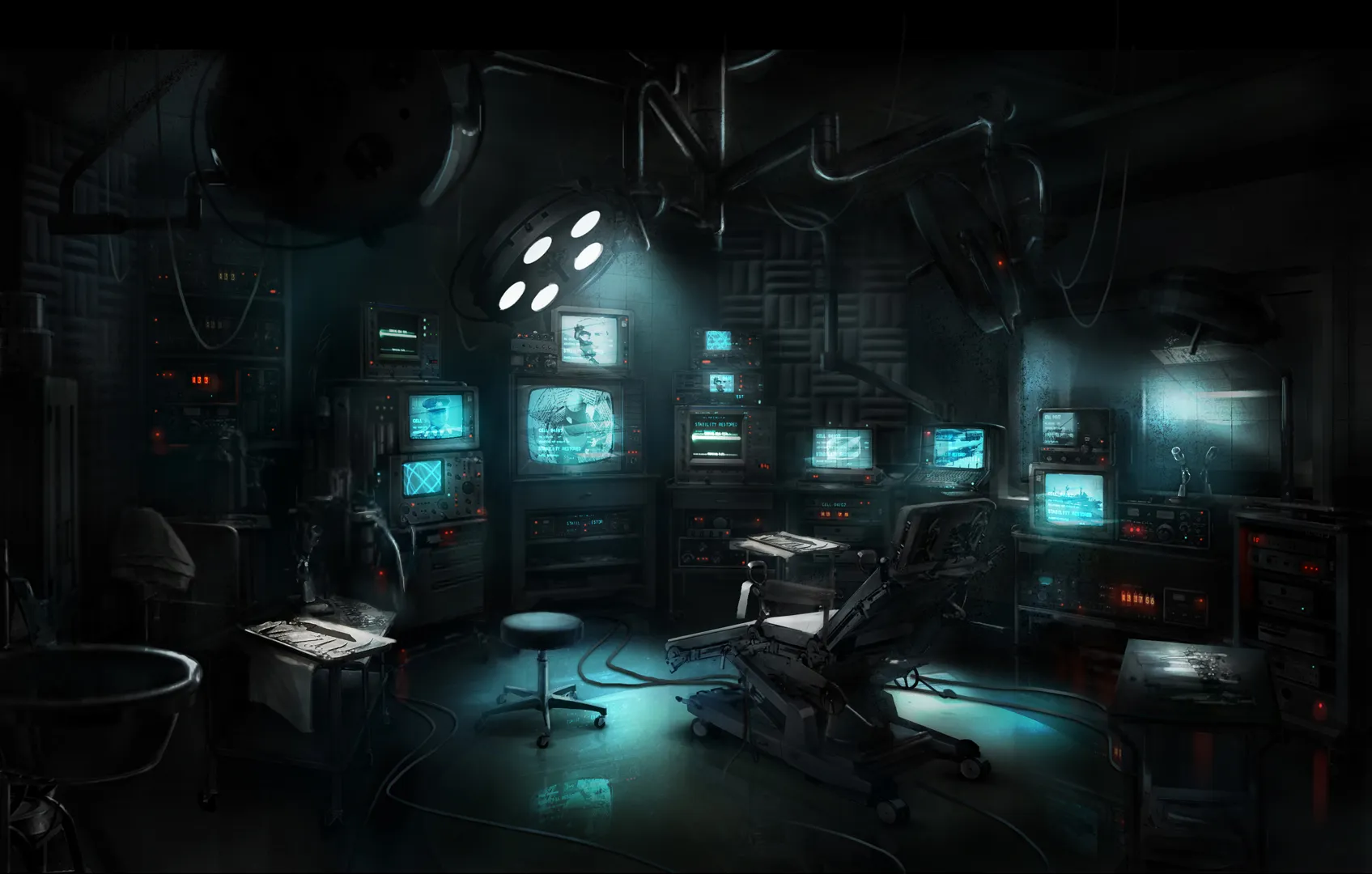
From the very first moment, the team’s goal was to immerse players into the shadowy world of Black Ops. Every detail was meticulously crafted, even the main menu which included a secret CIA database you could access after discovering how to break out of the chair. With the right commands, players could access a staggering amount of lore via hidden email messages at the terminal, and even load up entire video games like the text-based Zork and Dead Ops Arcade, a top-down twin-stick shooter set in the Zombies universe.
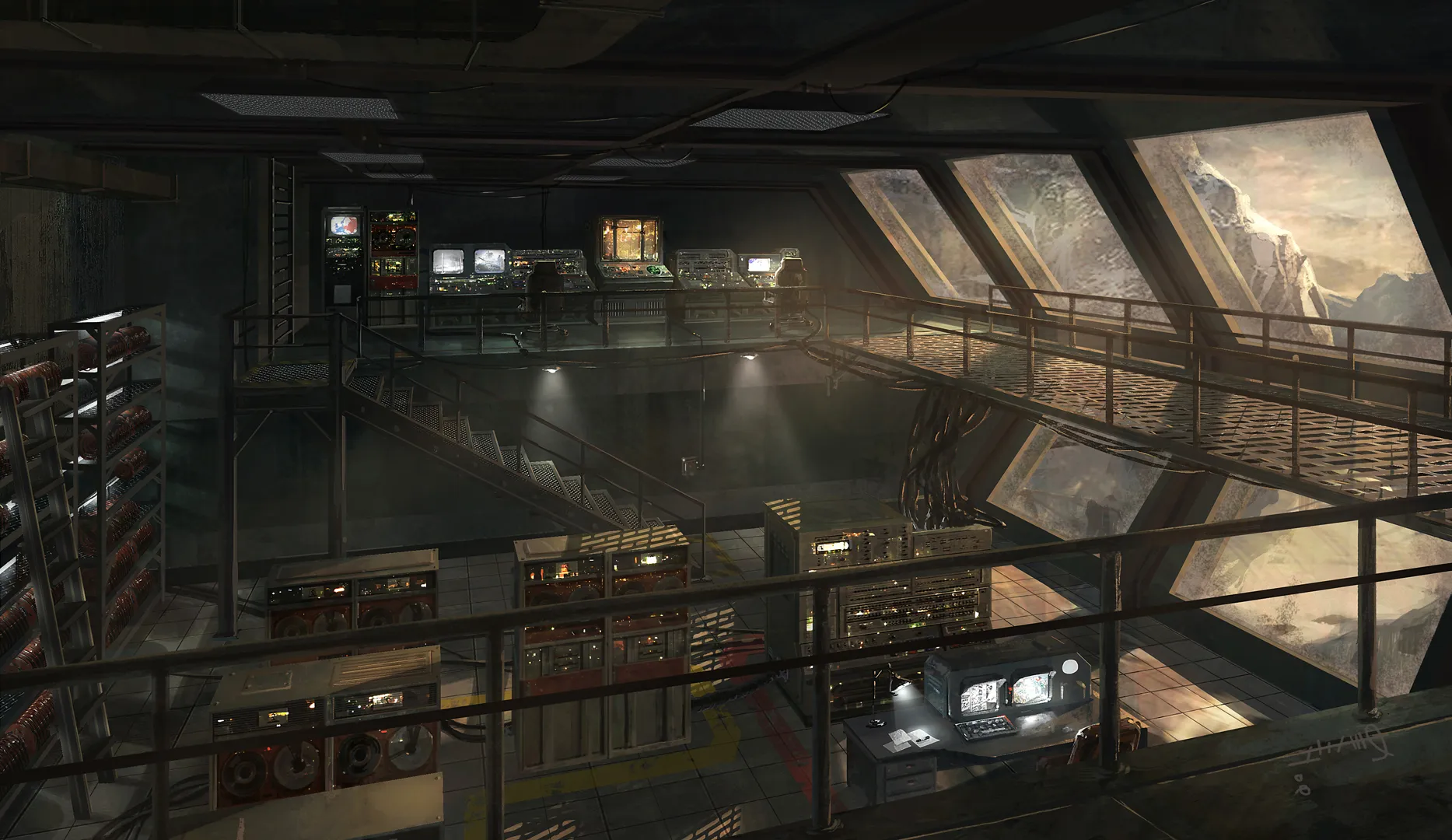
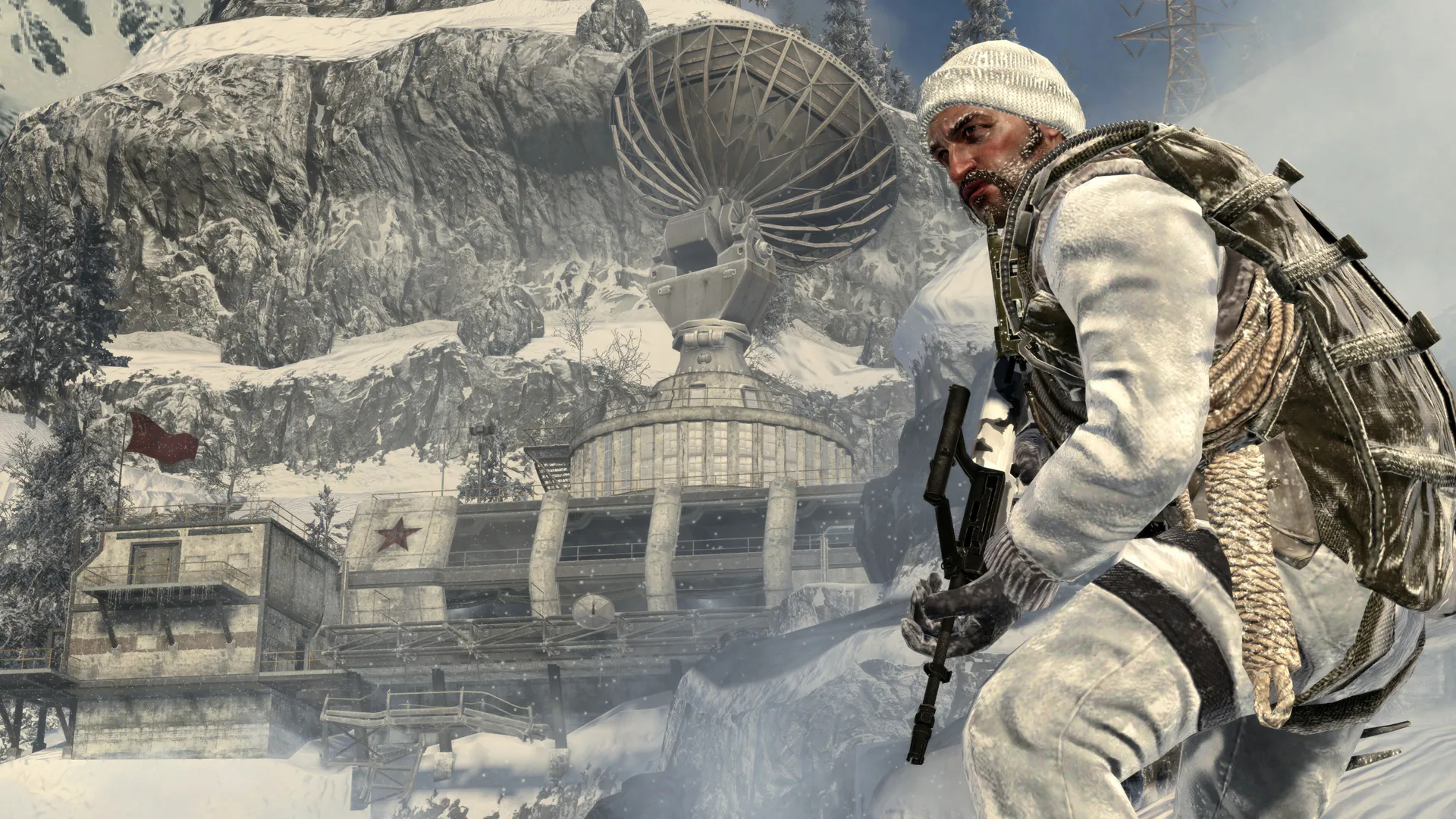
The mind-bending Campaign provided some of the most memorable and bombastic missions in our history. The attempted assassination of Fidel Castro in “Operation 40.” Securing the Khe Sanh military camp in Vietnam with Woods in “S.O.G.” and infiltrating the Soviet Yamantau base in “WMD.” And of course, the epic prison break with Reznov in “Vorkuta.”
On the Multiplayer front, Black Ops raised the bar again, delivering a host of franchise-first features for players. Theater Mode, Combat Record, Emblem Editor, Wager Matches, Combat Training, Player Customization, more Prestige Levels than ever, and an entirely new progression system were just some of the staples introduced to the franchise.
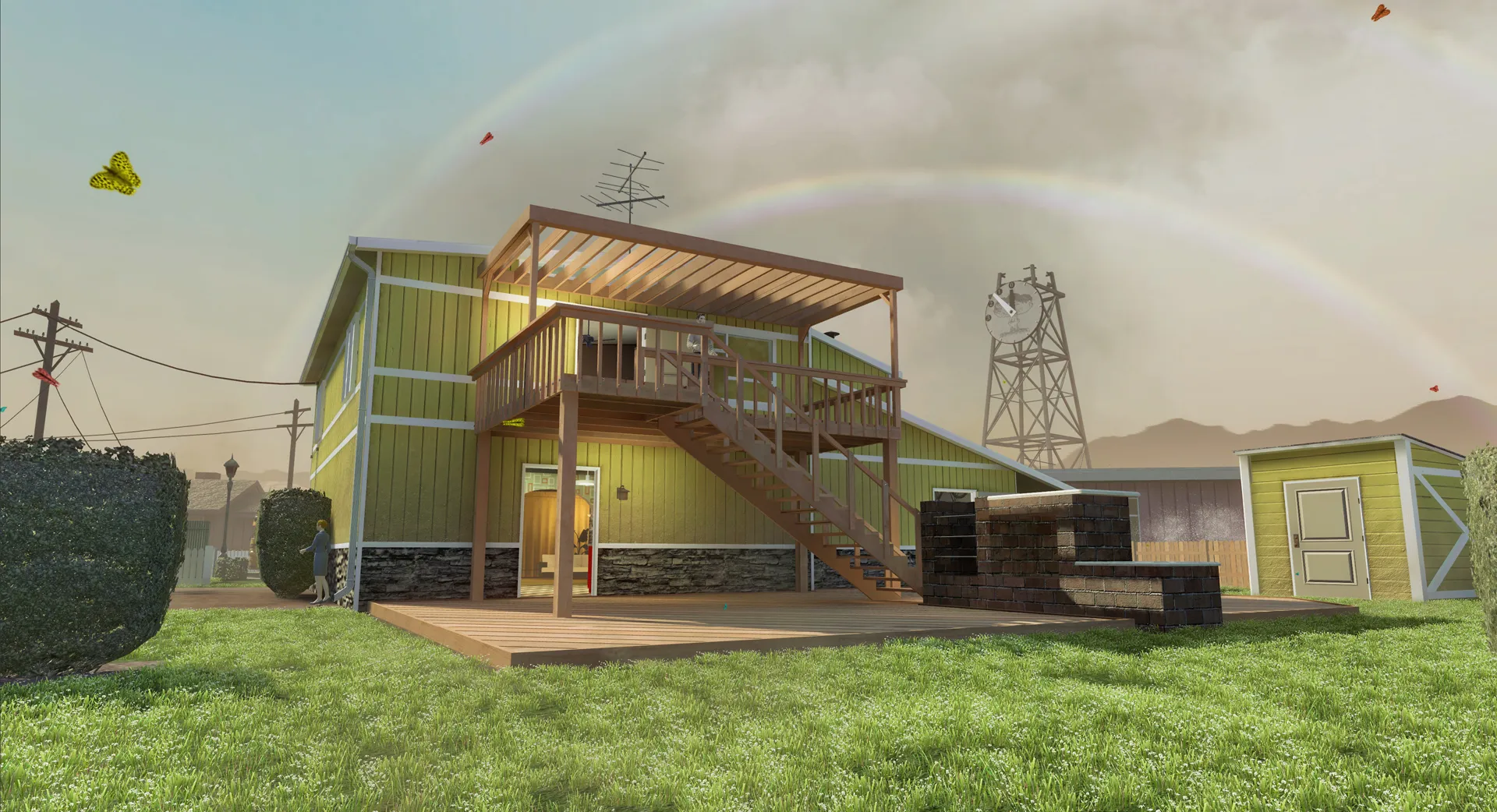
And who could forget the maps? Black Ops introduced modern classics like Firing Range, Summit, Jungle, Launch, Havana, Array, and many others... and of course, the OG incarnation of Nuketown. Though it would go on to be reimagined over the years and even be recreated as an IRL paintball course at Call of Duty XP, the original holds a special place in our hearts. (You can learn all about Nuketown’s origin story in our DECLASSIFIED episode from back in 2018.)
Near the end of production, once the Campaign was locked in, MP playtests were screamingly fun, and it was clear this incarnation of Zombies had all the makings of a hit, it was time for the team to step back and take it all in. Did we do it? Would players come along for the ride?
... And the Rest was History
The response was bigger than we ever could’ve imagined. On its opening weekend in November 2010, Call of Duty: Black Ops set the record for the biggest entertainment launch in history. With the game clearly resonating with players around the world and setting a new bar for Treyarch, the path ahead was clear: we’d never stop taking big swings.
Black Ops II took a bold narrative leap, spanning two timelines across the 1980s and the 2020s. Players followed Alex Mason and Jason Hudson in the past and David “Section” Mason in the future as they pursued Raul Menendez, making choices along the way that shaped how the story unfolded. Players got their hands on an arsenal of near-future weapons to wield on Raid, Standoff, Hijacked, Slums, Plaza, and other now-beloved maps in Multiplayer, while Zombies followed the apocalyptic events of Moon, the final DLC map from Black Ops Zombies, starting with TranZit.
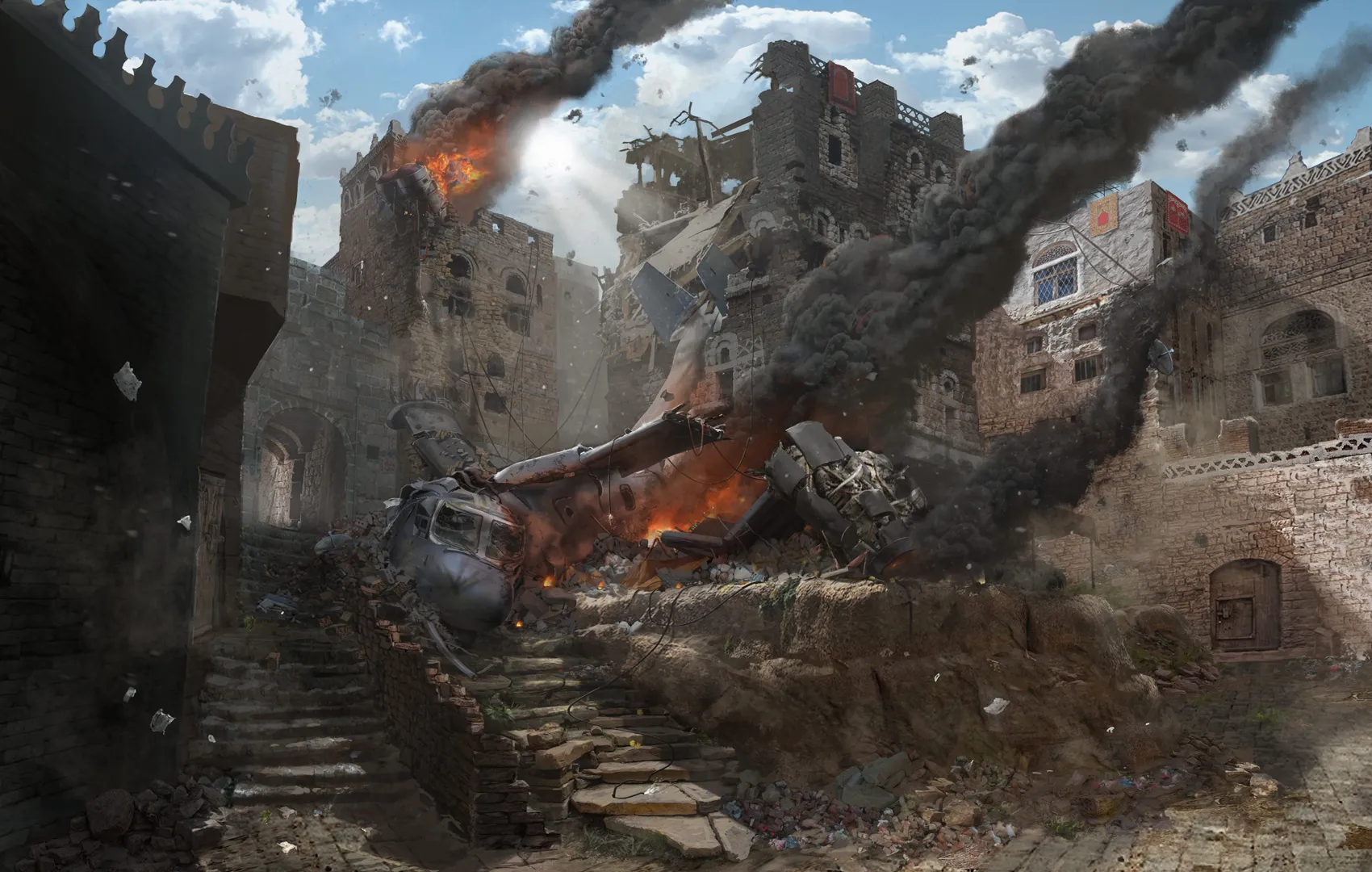
Black Ops III pushed the series further, set in 2065 during a new Cold War where cybernetically-enhanced soldiers dominate the battlefield. Huge innovations in mobility and the studio’s “guns up” philosophy brought a new sense of fluidity to every part of the game, and Zombies reached new heights as Dempsey, Richtofen, Takeo, and Nikolai sought to break the cycle.
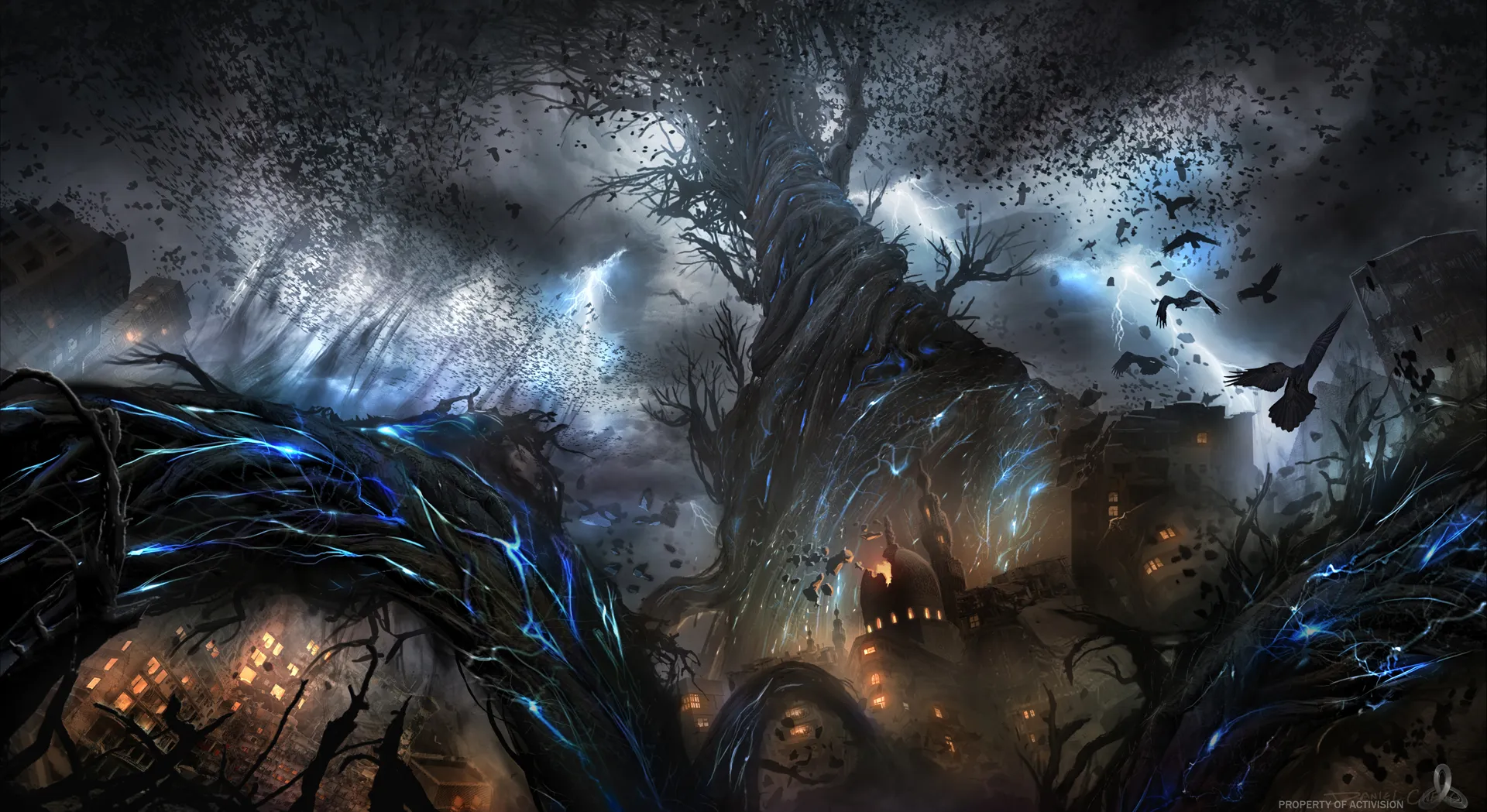
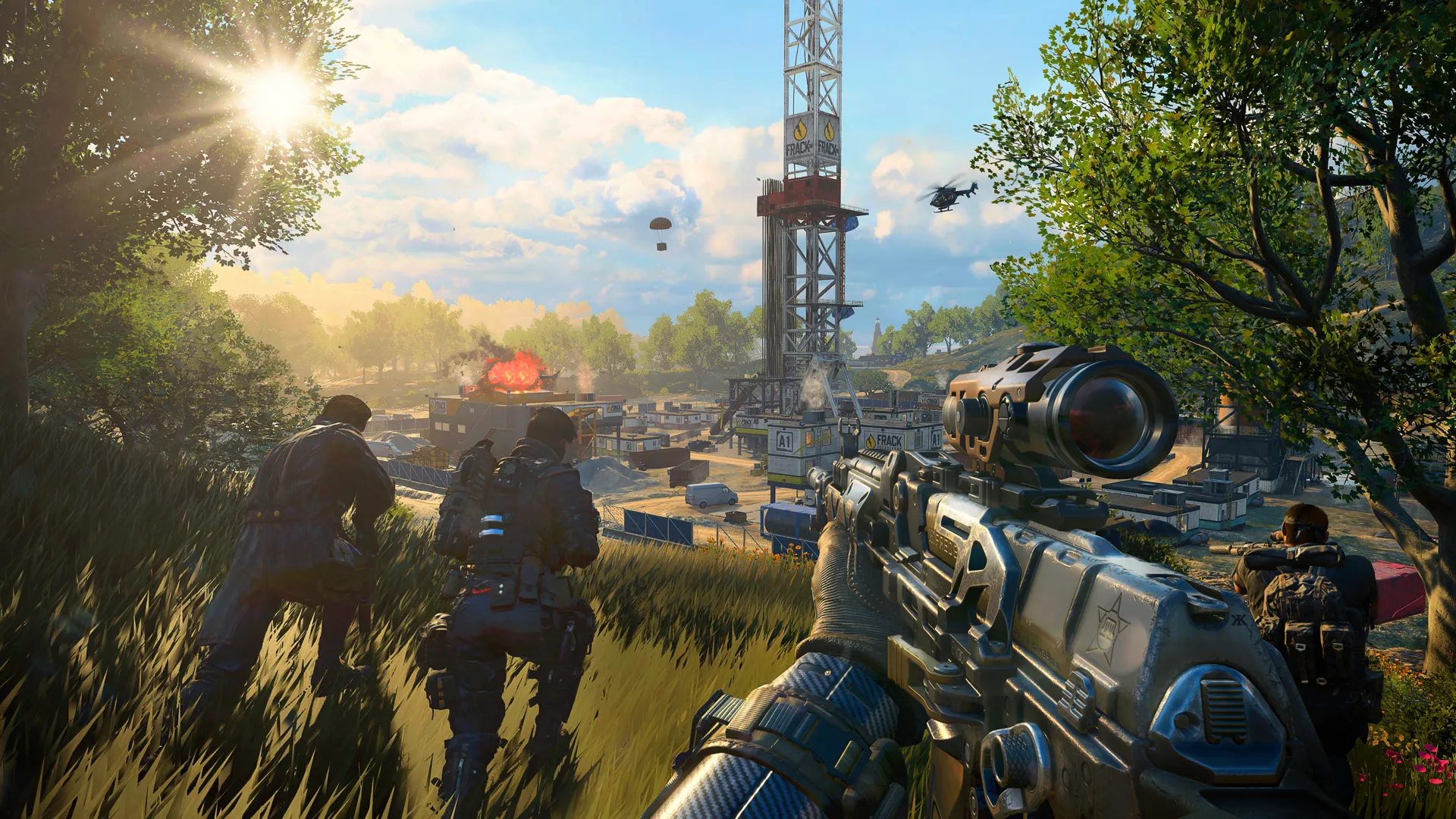
Black Ops 4 broke new ground and challenged players to forget what they knew, featuring bold design choices such as manual healing, and ushered in the franchise’s battle royale debut with Blackout. Treyarch’s gameplay engineers pushed the engine to do things it had never done before, implementing a fully new ballistics system that changed the way players had to think about leading their targets on the biggest map they’d experienced to date in Call of Duty.
Released in November 2020, Black Ops Cold War introduced a new crew including Russell Adler, Helen Park, Lawrence Sims, and the mysterious Bell in an epic spy-thriller Campaign co-developed with Raven Software. Multiplayer would take players across the globe throughout the early ‘80s, and Zombies provided a massive offering across Round-Based Zombies, Onslaught, Dead Ops Arcade 3, and the large-scale Outbreak mode.
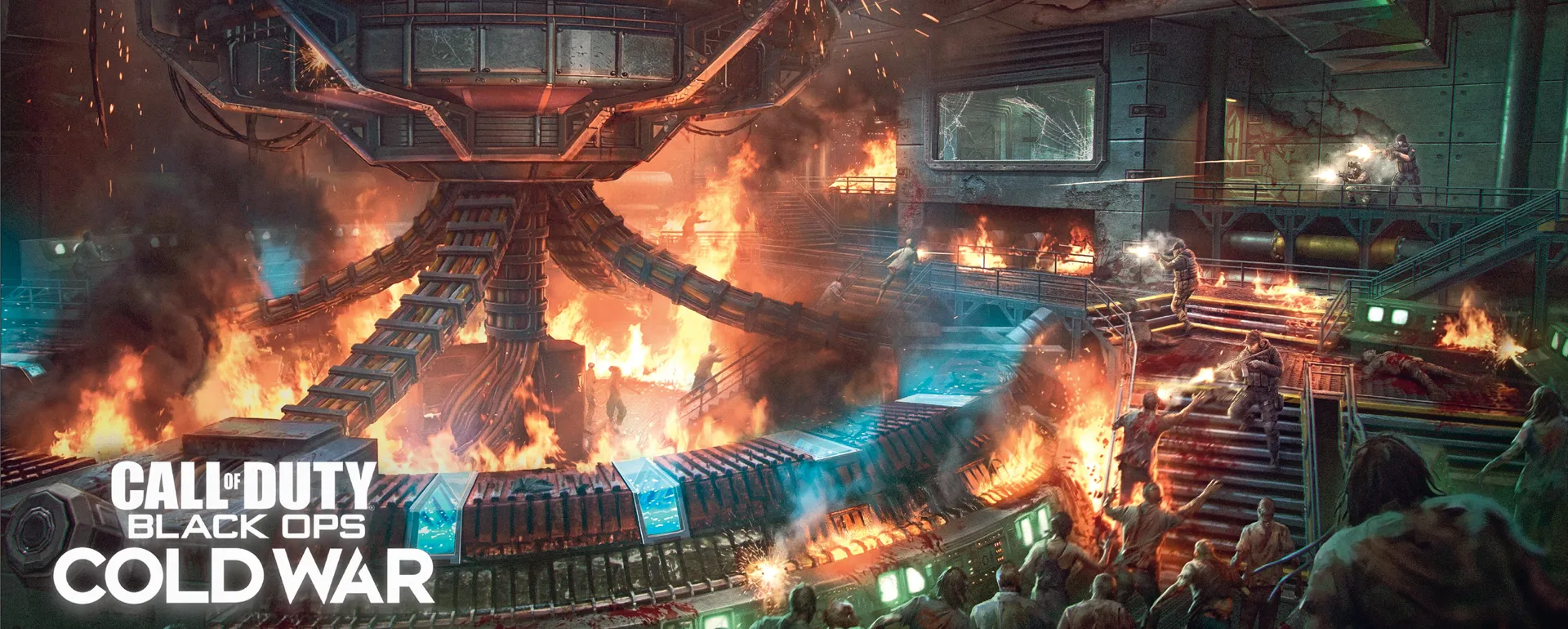
The team faced new challenges as we were forced to rethink how we made games in the midst of a global pandemic. After a multi-month ARG that players solved via puzzles across multiple games and IRL, the dev teams achieved the impossible and shipped Black Ops Cold War from our homes.
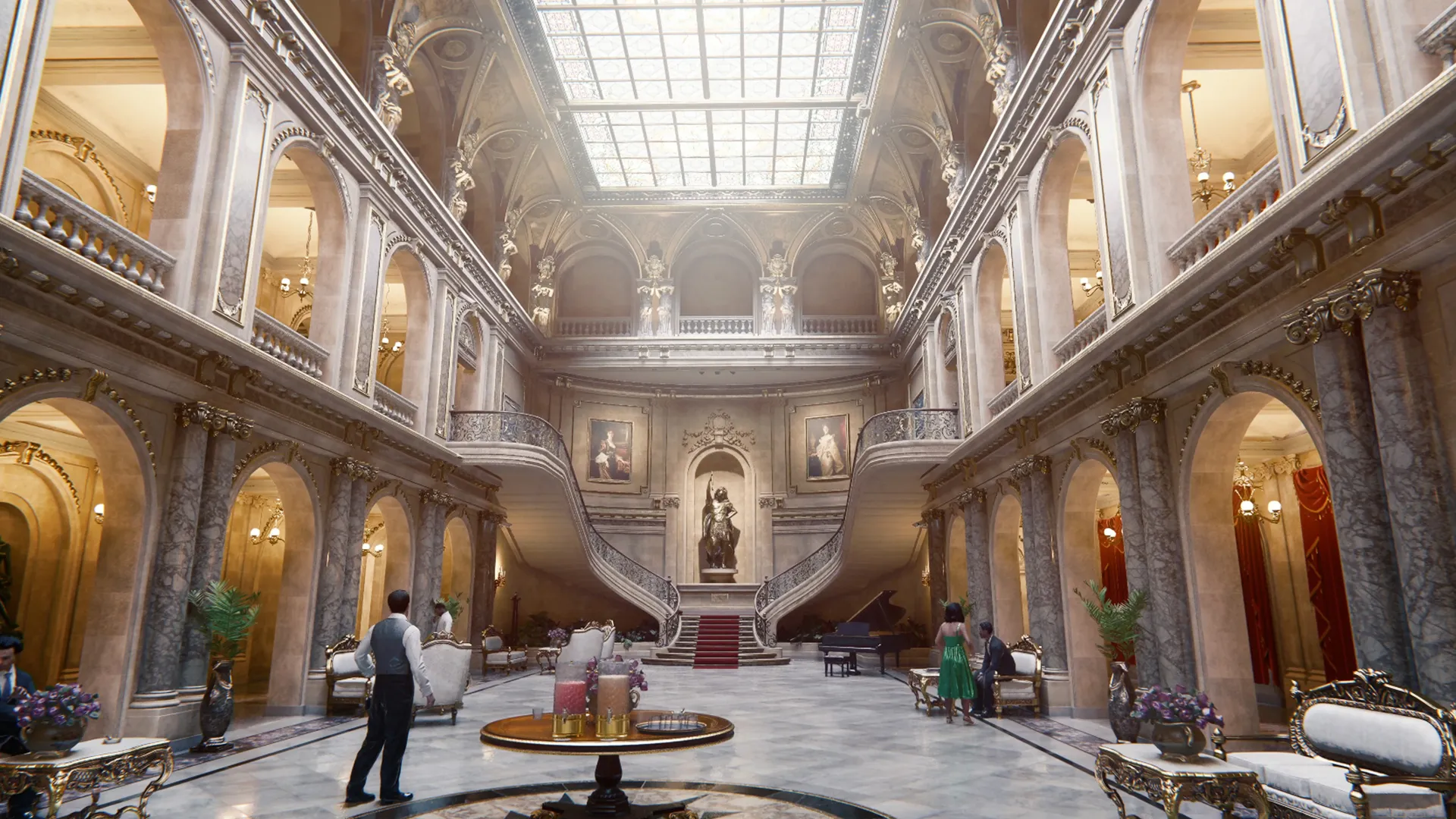
Over the following years, Treyarch contributed to the next three Call of Duty titles across Ranked Play and two new Zombies experiences, while also developing Call of Duty: Black Ops 6 and 7 on a newly unified engine. It was a busy and energizing time as we prepared to take Black Ops to new eras for the franchise.
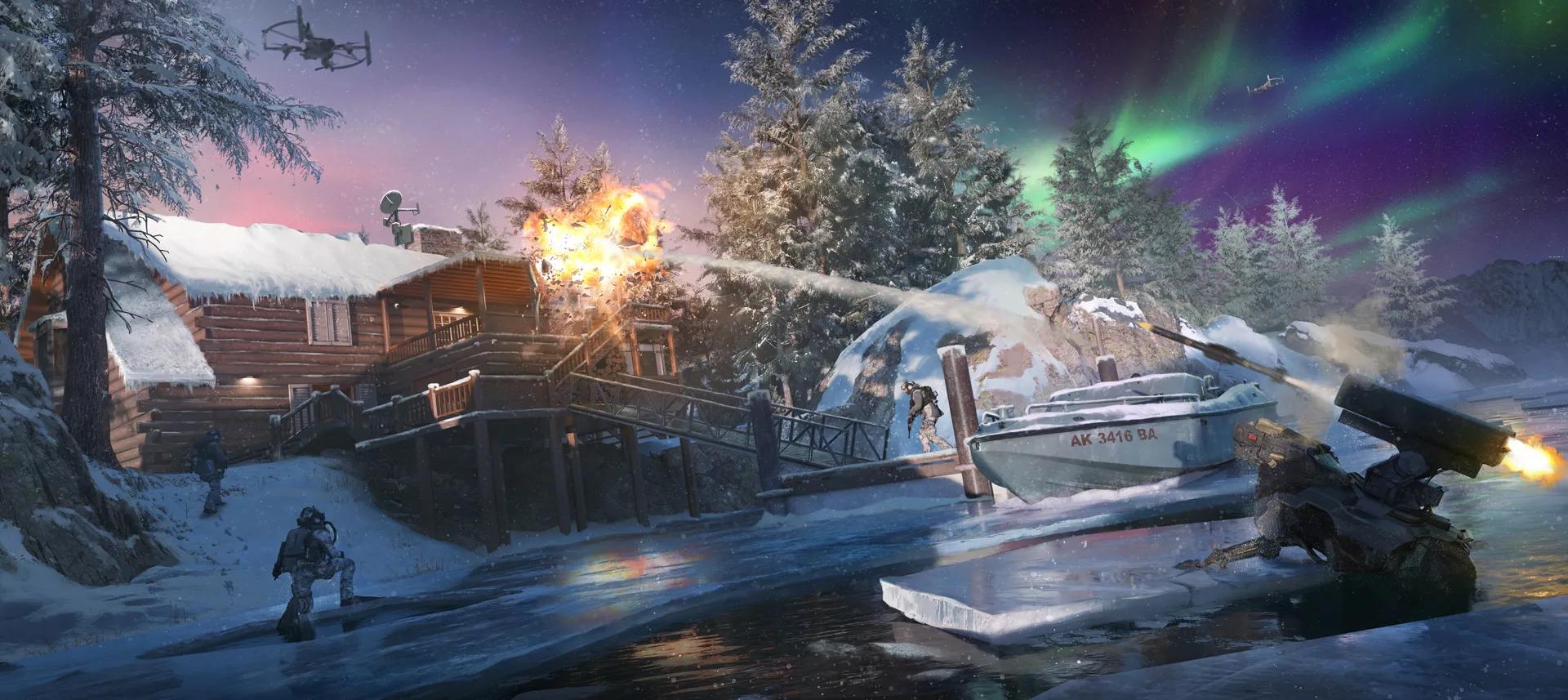
From redefining FPS mobility with the all-new Omnimovement system to delivering the biggest Black Ops ever (plus 12 post-launch seasons between the two games!), these past few years have been nothing short of a whirlwind. Today, we’re heads-down once again and laser-focused on our next big swing: building the foundation for another 30 years.
Thank You for Being Part of Our Story
To everyone who’s supported us and our games over the past three decades: thank you. Whether you were swinging a sword or web-swinging above Manhattan, charging alongside the Big Red One or in the trenches with Frank Woods... you’re part of Treyarch’s story. Share your favorite memories with us on social using #Treyarch30, and as always... we’ll see you online.